Challenge
Elizabeth Arden’s Red Door Salon & Spa was long the retreat of choice for the wealthy and elite. But both the Elizabeth Arden and Red Door names have slowly lost relevance over the years as modern, single-service salons and spas won over young, professional guests. As a result, Red Door was struggling with low foot traffic and an aging customer base for several years. To give the brand a fighting chance, Red Door decided to officially part with its namesake and existing identity. But it needed a new identity that was strategically sound and creatively resonant to pave the way for another successful century as a leading spa brand.
Strategic Approach
In its heyday, the Red Door was the place for the high society crowd to escape through luxurious spa retreats. But we found this offering was completely at odds with diverse, contemporary (male and female) professionals with whom Red Door needed to connect. Their constant push for success left much of this younger audience feeling isolated and craving the healing benefits of human connection on a regular basis. Rather than overhaul Red Door’s existing business and risk losing their industry-leading service providers, we worked to develop the concept of a self-care community that married modern concepts of holistic wellness and gender-neutral self care with Red Door’s core offerings: a multi-service spa destination. The result: A place where people of all backgrounds could disconnect and come together.
Solution
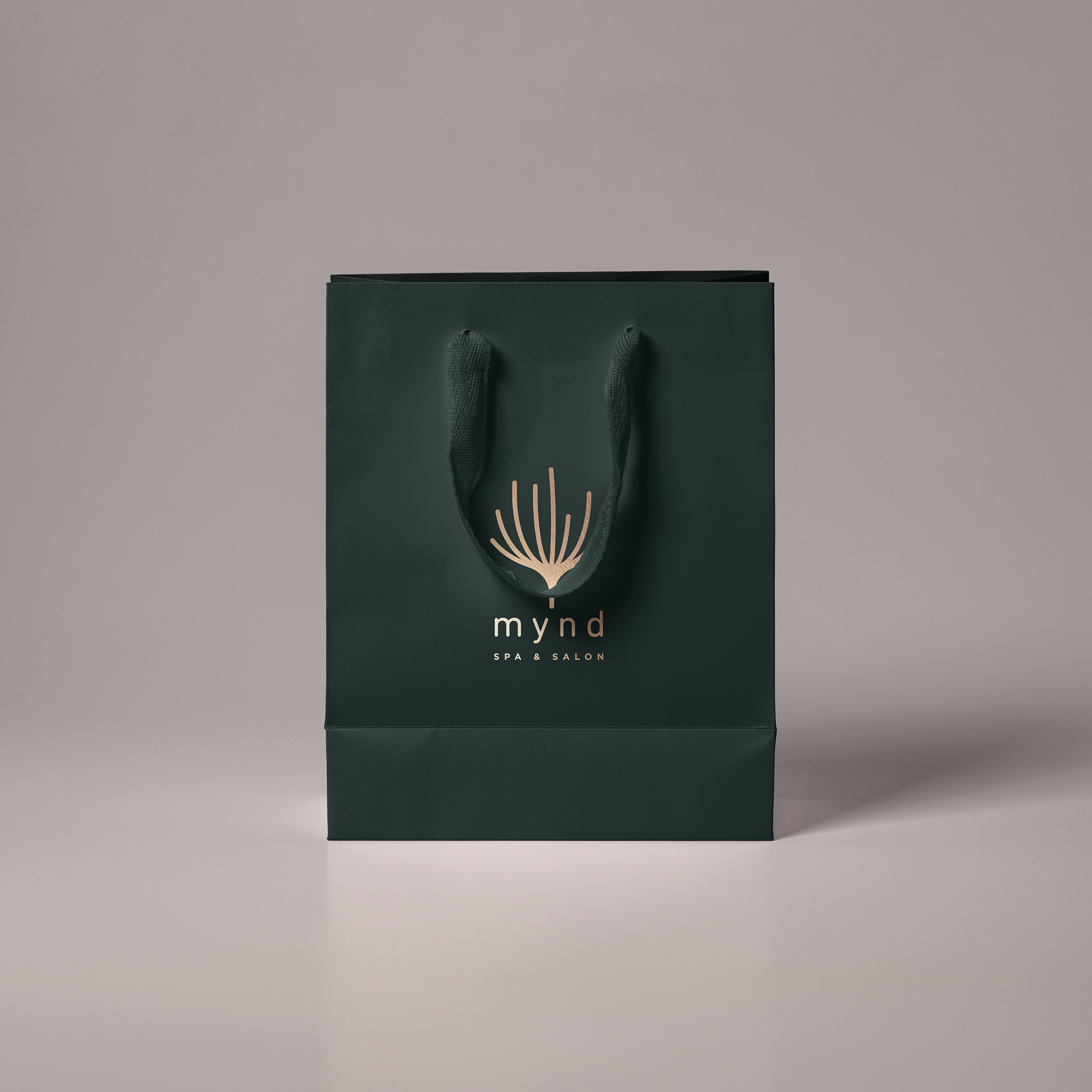
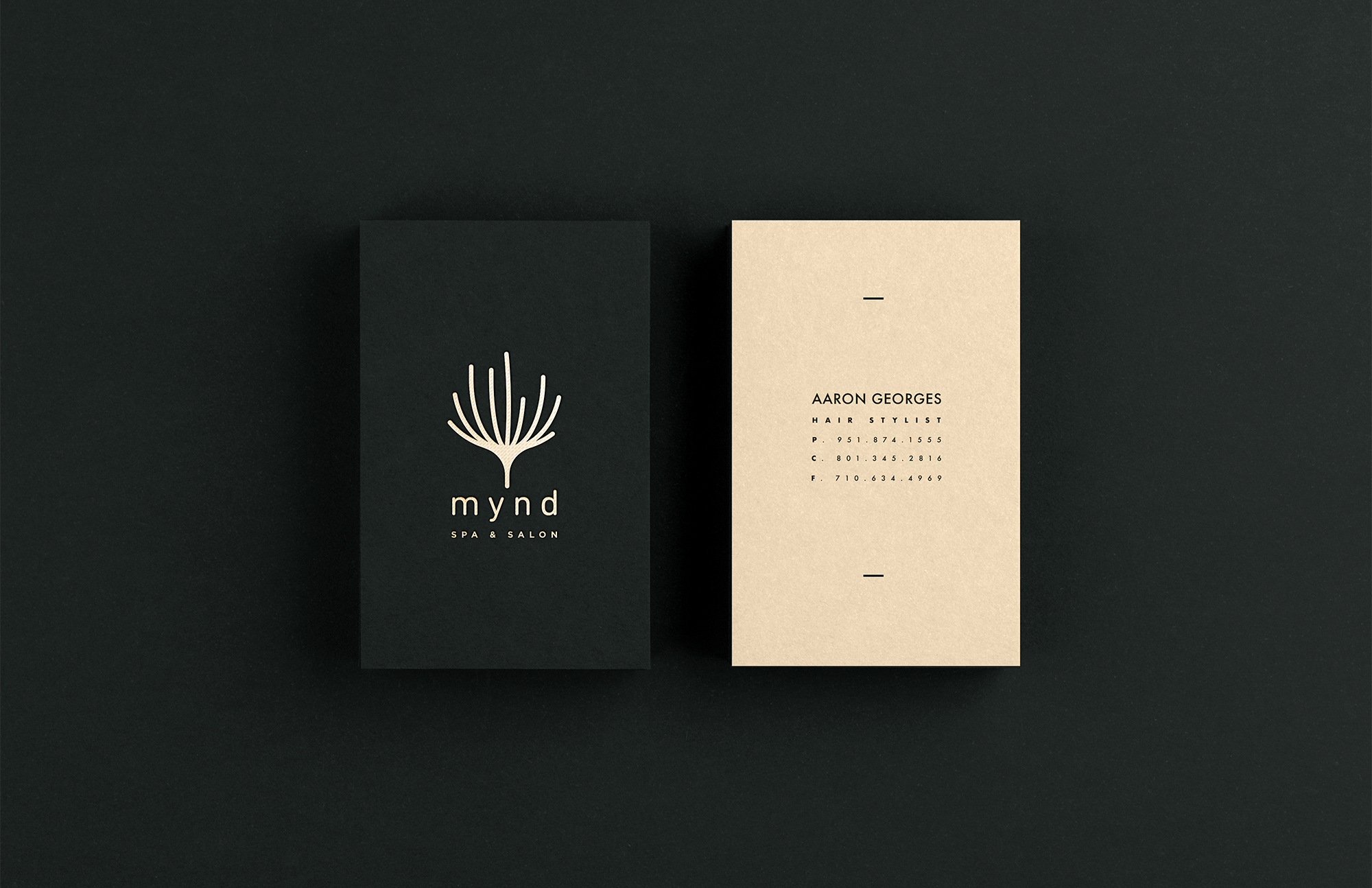
With the birth of MYND, Heat worked with the Red Door to deliver a complete design system, language, and a repackaging of services that would appeal to both old and new guests. Heat designed a more androgynous aesthetic that felt welcoming and modern enough to the diverse, younger audience and timeless enough for the brand’s loyal, more traditional guests. The identity was rolled out in tandem with Red Door’s C-Suite to regional managers and service managers, all of whom have embraced the the Red Doors new identity with great enthusiasm for the brand’s next 100 years.